
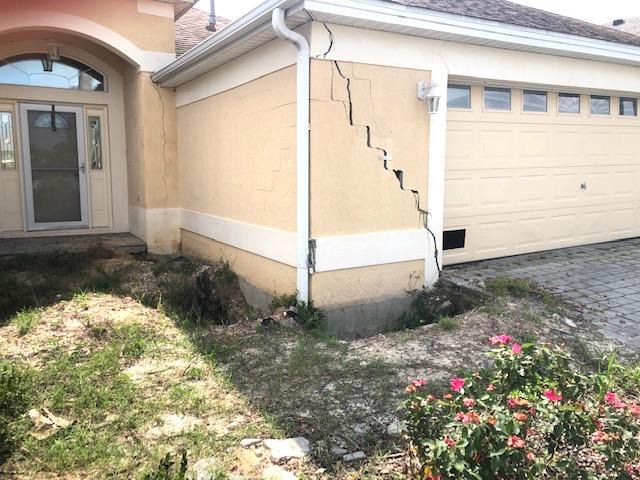
Yes, you can sell house with structural damage in SLC. A cracked foundation doesn’t mean your house is stuck. It means fewer buyers will want it in its current shape, and the ones who do want it will pay less than they would for a house next door with no issues. That’s really the whole equation. Once you accept that, the decision becomes less about “if you can sell this” and more about how you’ll sell this in a way that doesn’t cost me more time or money than it has to.
You’d be surprised to know, but this comes up more in Salt Lake City than people expect. The Utah Geological Survey has documented this for years, expansive clay soils are one of the state’s most common causes of foundation and wall cracking in residential homes. Here, older homes age differently than newer homes in other parts of the country. Thus, if you’re staring at a crack that wasn’t there five years ago, relax. You’re dealing with something a lot of your neighbors have already gone through. Learn about best options and costs associated with damaged homes below.
What is structural damage in your house?
Structural damage is anything that affects the bones of your house, not just how it looks. A crack in the wall or a scratch on the paint isn’t structural, that’s cosmetic, and you can paint right over it. What you actually need to worry about are doors that won’t latch anymore, floors that visibly slope, or windows that stick for no reason. If it’s getting in the way of daily life in your home, that’s your sign to pay attention.
Most homeowners don’t catch this stuff until an inspector points it out. Even then, inspectors usually just flag it and tell you to call someone else, that someone else being a structural engineer. Their report is the one that actually matters here. It tells you whether the movement already happened and settled years ago, or whether it’s still ongoing, and gives you a real idea of what it’ll take to fix.
What Utah Law Actually Requires You to Say
Once you know something’s wrong, Utah law requires you to put it on paper. The state uses a Seller Property Condition Disclosure form, and it covers anything you’re aware of that could reasonably change what a buyer would pay or whether they’d buy at all. A known structural issue goes on that form even if you never fixed it, and even if a previous engineer’s report is years old.
Sellers sometimes leave this off hoping it won’t come up. However, it almost always comes up either the buyer’s own inspector catches it, or it surfaces after closing and turns into a legal problem you didn’t need. Putting it in writing up front, with documentation to back it up, tends to work in your favor. Buyers negotiate around known issues all the time. What spooks them is finding something you didn’t mention.
Common challenges when selling a structurally damaged home
Selling a home with structural damage can come with several hurdles. You’d know them when you are in the process of finding a buyer. Some of the common ones are listed below:
- Lenders usually won’t approve a mortgage until the issue is fixed. This may narrow your buyer pool to cash buyers and investors.
- If you’ve overpriced your house and the buyer finds structural damage, they may leave. Also, if you’ve underpriced it, you’ll be leaving money on the table.
- If no documentation was done for the damages or repairs, buyers may start assuming it as a red flag.
- You may have to manage a timeline which can include getting an engineer’s report, handling disclosures, and finding the right buyer.
- Sometimes a buyer may show interest but may try to negotiate the final price.
Three Realistic Paths Forward
Once you have the engineer’s report in hand, you’re choosing between roughly three approaches, and each one trades speed for price differently.
Fixing it before you list
This will get you access to the largest pool of buyers, including anyone using a mortgage, and usually the highest final sale price. It also means fronting real money including foundation work in the Salt Lake valley which often lands somewhere between $10,000 and $50,000 depending on severity. Also, managing contractors and permits before a single showing happens.
Listing it as-is
This can be done through an agent that keeps your costs at zero but shrinks your buyer pool considerably. Traditional buyers using conventional financing often can’t get approved with an open structural issue on record, so you’re relying on an agent who knows how to market to investors and flippers. Expect a longer time on market than a comparable healthy home.
Selling it to a cash home buyer
Selling directly to a cash buyer is the fastest route and requires no repair money at all. Say your engineer quoted $28,000 for the fix and you don’t have that kind of cash sitting around, or you just don’t want to manage a construction project. A cash offer lets you skip that entirely and typically close within one to three weeks. The number may be lower or average than a fixed-up sale price, but for a lot of sellers, the certainty and speed are worth more than squeezing out the last few thousand dollars.
Selling it by yourself – FSBO
Selling it yourself, without an agent, is legal in Utah but rarely the easier option here. You’re pricing an unusual property, verifying buyers can actually finance it, and completing disclosure paperwork correctly with nobody checking your work. FSBO tends to work for people who’ve done it before or already have a buyer lined up, not as a first attempt on a house with a documented structural issue.
Type of Cost |
Fix It First, Then List | Sell As-Is (Cash or Investor) |
| Upfront cost | $10,000–$50,000+ | None |
| Buyer pool | Widest, including financed buyers | cash buyers, investors, contractors |
| Time to close | 2–6 months | 1–3 weeks |
| Sale price | Closer to full market value | Below market value |
| Who it fits | Sellers with time and cash to spare | Sellers who need speed or can’t front repairs |
There’s no version of this table that says one option is objectively better. It depends on whether the repair cost is small enough relative to the value it adds, and whether you wait it out.
Types of structural damage cash buyers purchase
Foundation cracks and settlement: It’s quite common in houses in SLC because of Utah’s soil. Buyers just plan for the fix.
Uneven or sloped floors: This usually becomes concerning for regular buyers.
Leaning or bulging basement walls: If your home in Salt Lake City is old, you may want to get this checked out.
Doors or windows that stick or won’t close: This often means the house has shifted a bit.
Sagging roof or weak roof framing: This is costly to fix but may be simple to price out.
Water damage that’s weakened the structure: If you see stains or actual soft rotted framing, you may want to get it checked by an expert. See our guide on selling a house with water damage.
Fire damage affecting framing: Can weaken the structure beneath the surface. See our guide on selling a home with fire damage.
Why Structural Issues Hit Value Harder Than Almost Anything Else
If you ask an agent what’s the most common reason a home sale price dips, it’s usually the structural damage in the home. A damage that doesn’t just stop at the doors but it can be found in kitchens, paint, or flooring. The reason is uncertainty. A buyer may look at old carpet and know almost exactly what new flooring will cost. Nobody can look at a foundation crack and know the real number without digging into it. That’s why buyers and their lenders usually expect the worst and allow for extra costs. Here an engineer’s estimate may give you an accurate number.
Structural issues are one of the common reasons why houses sit unsold longer than almost anything else on the market. If your home has been sitting on the market, read our guide on House Didn’t Sell in Salt Lake City? Why Listings Expire and Smart Ways to Sell Home Fast. Also, this is not because buyers won’t touch damaged houses, but because sellers frequently price them like the problem doesn’t exist. A house priced reasonably here will get showings and no offers, because every buyer walking through can do the math. The fix isn’t a better listing description. It’s a price that already accounts for what buyers will discover anyway.
Repair cost for damaged houses
- Inspection: Cost up to $300–$800
- Minor crack repair: Cost up to $500–$3,000
- Foundation underpinning: Cost up to $10,000–$50,000+
- Drainage fixes: Cost up to $2,000–$8,000
- Permits & inspections: Cost up to $200–$1,000 (varies by city)
Where the Salt Lake Market Stands Right Now
Currently, the Salt Lake City market is pretty even, maybe in favour of just a little toward sellers, but only for homes that are priced fairly and ready to move into. There still aren’t a ton of homes for sale, and most are selling close to what sellers are asking. But it’s nothing like a few years back, when buyers were throwing in offers over asking price just to compete. These days, buyers can take their time, negotiate a bit, and actually use their full inspection period instead of rushing.
For a house with structural problems, though, none of that really helps you much. A lender isn’t going to care whether it’s a hot market or a slow one, if there’s a red flag, they’ll still flag it. If anything, the fact that buyers aren’t in a rush right now works in your favor a little. People have the time to actually think about a fixer-upper, instead of skipping straight past it for something move-in ready.
Quick Summary
A structurally damaged house in Salt Lake City can still sell, it just needs the right price and the right buyer. Start with an engineer’s opinion, then be upfront with buyers about what you know, since Utah law requires it anyway. If you’ve got time and money, fixing it first usually gets you the best price; if you don’t, selling as-is to a cash buyer gets you out fast without sinking money into repairs you might not recover.
When you’re ready to compare what a repaired sale might net versus a fast, as-is offer, Prudent Home Buyers can guide you to make informed decisions.
FAQ’s
Q1. Can I sell without repairing the foundation first?
Yes. Buyers will build the repair cost into their offer, but the sale itself isn’t blocked by the damage.
Q2. Do I have to disclose it if I never got an official report?
Yes, Utah’s disclosure rule covers what you’re aware of, not just what’s been formally documented.
Q3. How much less will a damaged house sell for?
It varies by severity, but the gap tends to shrink when you have a clear repair estimate to point to. Vague or unknown damage scares buyers more than a documented, priced-out issue.
Q4. How fast can this actually close?
A cash sale can wrap up in one to three weeks. Repairing first and listing traditionally is closer to two to six months once you count contractor time.
Q5. My house already failed one inspection over this, is it unsellable now?
No. It just means your next buyer is probably someone comfortable buying with the issue disclosed upfront, like a cash buyer or investor, rather than someone relying on a conventional loan.
Q6. How fast can I actually close the deal with a cash home buyer?
A cash sale can wrap up in one to three weeks. Repairing first and listing traditionally is closer to two to six months once you count contractor time.