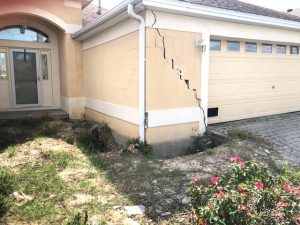
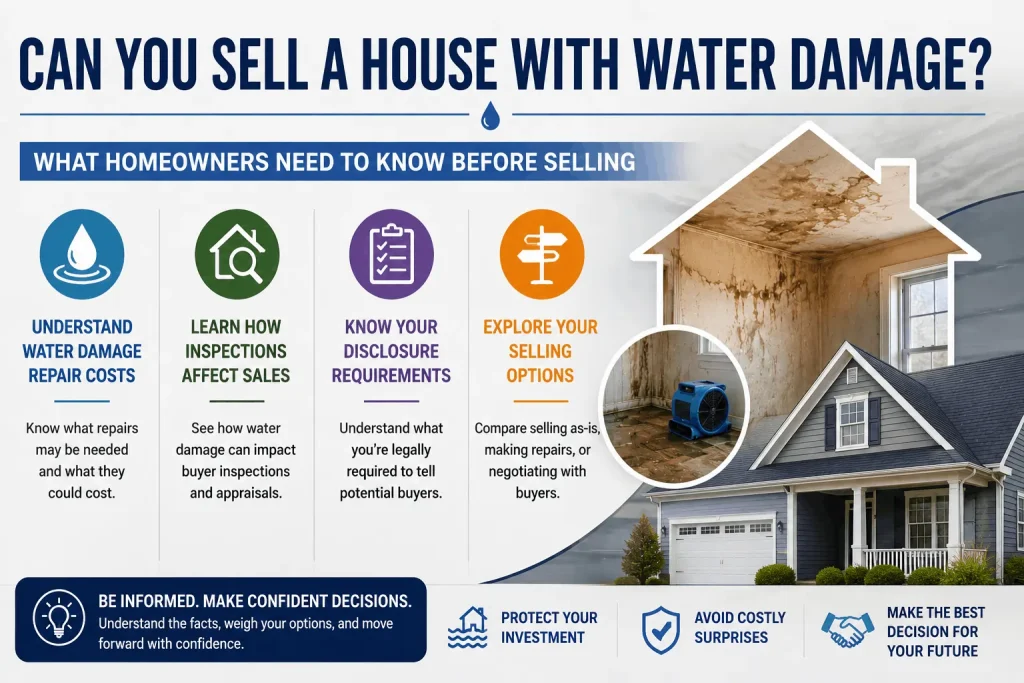
Selling a home with water damage comes with its share of problems. Especially if it involves something like mold or a bad foundation. But the good news is that you can still do it. You’d be relieved to know water damage and freezing claims are amongst the most common homeowners’ insurance claims, as per the Insurance Information Institute. Which means it’s a common problem.
If your house has water damage and you are worried whether it is still sellable, then just relax because it is. You need to know what you are dealing with, and what a buyer walking through your house will likely spot. That’s where this guide comes in. Learn about costs, challenges, and your realistic options for selling your home with water damage.
First – How bad is the water damage in your house?
When you decide to sell a water damaged house, not all damage will feel equal. A small ceiling stain from an old leak is different from hidden mold or structural damage that’s been existing in your house for ages. This means that not every water damage issue costs the same. Some are minor and others add up quickly. The clearer you are on what needs fixing, the better your decisions down the line.
Common Causes of Household Water Damage
The tricky thing about leaks, mold, and moisture is that they tend to develop slowly. Sometimes, it may take months to notice them. Usually, homeowners notice it when it’s time to list their house to sell it. Here’s how it starts:
Leaking or rusted pipes
Pipes can get outdated after a while. Age, freezing temperatures, and corrosion can all cause them to fail. Along with this, a slow leak has a way of hiding behind walls or under floors long before it shows up on the surface. What you need to check? Lower water pressure or unexplained floor cracks. Call a licensed professional and get it fixed.
Flat Roofs
Over time, pooled water over flat roofs can lead to cracks or a leak. Sometimes, it can lead to mold growth. What’s essential to check here? Inspect your home’s roof for any blocked drainage or visible pooling. Call a roofing contractor to help you understand whether repairs or resealing is required or not.
Clogged Gutters
Clogged gutters mean water ends up running down the side of your house rather than away from it. If left unchecked, this kind of overflow can cause damage that can go beyond the gutters themselves.
Storm Surges and Flooding
Flooding can do irreparable damage to the house. It’s not preventable but you can reduce the risk of water intrusion by sealing foundation cracks. Start with caulking the windows and doors and fixing drainage around the property. As a homeowner you can also look up your property’s base flood evaluation.
Unexpected Appliance and Plumbing Issues
Some of the most common leaks are easily missable. This includes dishwashers, washing machines, and refrigerators. The leaks usually happen behind these appliances and the damage tends to stay.
What water damage repair actually costs?
FEMA says that even an inch of standing water can cause major damage throughout time. If you can visibly notice a few water damage parts in your home, you might want to get an estimate of the cost of fixes from a licensed contractor and then decide how you want to sell your home. Here’s a financial comparison of water damage costs:
- Water extraction and drying can cost around $1,500 – $5,000.
- A drywall replacement cost can go roughly up to $500 – $2,500
- Mold Remediation can often cost up to $1,000 – $6,000
- Flooring replacement commonly costs $2,000 – $8,000
- Roof or gutter repairs can cost about $1,500 – $10,000
- Structural repairs can exceed up to $25,000 in severe cases.
What happens at a home inspection when water damage is present?
A buyer’s inspector specifically looks for what you’ve missed. During a standard inspection, they will try to find stains, mold odors, roof leaks, and moisture in the basement and other areas. You can choose a pre-list inspection to find out issues earlier to make an informed decision.
Understanding Your Home Insurance Coverage
Home Insurance Coverage helps, however it doesn’t cover all water-related coverage. The policies usually cover sudden problems like burst pipes or appliance leaks but don’t include flood damage, long-term leaks, and maintenance-related issues. It is best to review your policy carefully.
What can remediation do?
Remediation helps in drying out a home. It removes damaged materials, treating molds, and makes sure that your property is safe again. Mold problems are important to address because inspectors can flag them quickly. Homeowners usually opt for this when they feel it may create financing and negotiation problems.
How water damage affects buyer financing and your sale price?
Water related damage can affect both your home’s value and the type of buyers who will be interested in it. If a few issues were repaired with proper documentation, the overall condition may appear more complete.. However, severe damage can lead to low buying interests and rates. Financing may also become a bit complicated as loan programs like FHA and VA require major safety or structural issues to be fixed before approval.
Understanding these challenges is important when deciding whether to repair the property or explore alternative selling options. Check out what should I consider before selling my house.
Biggest challenges of selling a water-damaged property
Sometimes buyers can lower their offers because they may assume that repairs would cost more than they actually do. In case of moisture or mold problems, buyers can get uninterested and this may delay financing approval. Also, if the water got anywhere near the electrical panel, it’s going to come up in the inspection.
For homes in flood-prone areas, past repairs don’t always ease a buyer’s mind about future flooding. However, nothing to stress about challenges because most of these water-related issues are quite common and can be fixed.
How to price a water damaged home?
If your water damaged home sale is priced high, buyers may walk after inspection. If your price is too low, you’ll be leaving money on the table unnecessarily. First, you may want to get contractor estimates and price your home around realistic repair costs. Then, you may want to ask your agent for comparable sales which involve homes with similar issues.
At this point, it’s important to be transparent in the listing description. Try avoiding intentional overpricing to negotiate later. Remember that if your property stays too long on the market, it may create buyer hesitation. Also, if you are wondering why your home sits unsold, read our guide on why your home isn’t selling.
Your options for selling a house with water damage
Option 1: File an Insurance Claim and Repair
If there was a burst pipe or appliance failure, nothing to stress about. The insurance may cover a meaningful portion of the repairs.
Option 2: Repair the house out of your pocket and list
If you repair water related issues in your home before selling, it may help you gain an edge with more buyer interest. This may include FHA and VA buyers.
Option 3: Disclose the issue to your seller and consider concession
To be a transparent seller, you can consider disclosing the water damages openly and price the property accordingly. Giving this option a try might be worth it if the repairs feel impractical.
Option 4: Consider Selling your water damaged property As-is
If you choose to sell a water damaged house as-is, you don’t have to be worried about its condition. Buyers may still be able to inspect your property but findings won’t obligate you to act on the repairs.
Here’s a clear comparison of all the options:
| Option | Best Suited For | Effect on Price | Typical Timeline |
| File insurance claim + repair | Recent covered damage | Minimal if documented | 2–4 months |
| Repair before listing | Higher-value homes | Minimal to none | 2–3 months |
| Disclose + seller concession | Moderate damage | 10–20% reduction | Standard listing |
| Sell as-is to a cash buyer | Severe damage or urgent sale | Below market value | 2–4 weeks |
Quick Summary
Selling a home with water damage is still possible. The process depends on how serious the damage or repair costs are in your home. Overall, water damage can also affect the process of selling a home. This can include repair costs, inspections, buyer concerns, and financing challenges. Good news is that practical selling options exist such as repairing, disclosing the issues with buyers, or selling the home as-is.
If taking on repairs doesn’t feel like the right fit for you, it may still be worth exploring what options are available for selling your home with water damage through Prudent Home Buyers.
FAQ’s
Q1. Can I sell a house with water damage without fixing it?
Yes, you can sell your house even if it has leaks or mold issues. You can either fully disclose it to your buyer and offer a seller concession so that the buyer agrees to handle repairs.
Q2. Will water damage prevent buyers from getting a mortgage?Sometimes that can happen. Though FHA and VA loans may not approve homes with active water damage or mold until the repairs are completed.
Q3. Do I have to disclose water damage that was already repaired?
Keeping transparency is good. Especially if the damage involved mold or insurance claims.
Q4. How do cash buyers price water-damaged homes?
Most cash buyers subtract repair costs and their expected profit margin from the home’s after repair value.
Q5. Does water damage show up in public records?
Your home’s water damage may not show up publicly but it can show up in insurance claim histories and inspection records that buyers could end up reviewing.
Q6. What’s the fastest way to sell a house with water damage?
You can fix the water related issues before listing the house to attract buyers. If the damage costs a lot, consider selling it as-is to a cash buyer to sell it fast.